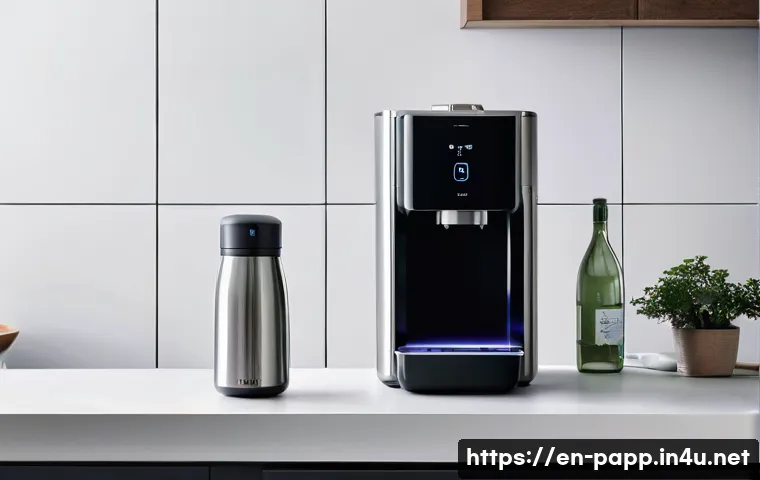
Finding the perfect portable water dispenser can be a game-changer, especially when you want quick access to both hot and cold water without the hassle of bulky appliances.
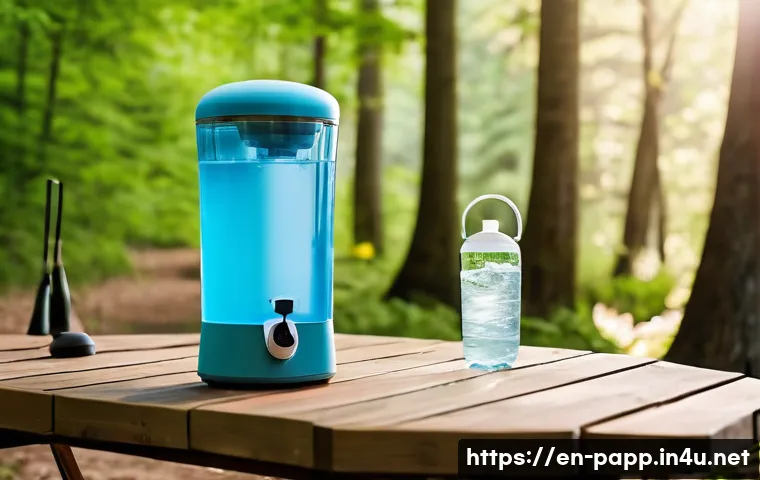
Whether you’re working from home, camping, or just need a compact solution for your kitchen or office, these devices offer incredible convenience. With so many models on the market, it’s important to know which features really matter for your lifestyle.
I’ve tested several options myself and discovered what works best in real-life scenarios. Let’s dive into the details and find the ideal portable hot and cold water dispenser that fits your needs perfectly!
Stick around as we explore everything you need to know.
Understanding Essential Features for Everyday Convenience
Hot and Cold Water Dispensing Speed
When I first started testing portable water dispensers, I quickly realized that speed matters more than I expected. Waiting around for your hot water to be ready can be frustrating, especially when you’re rushing through your morning routine or prepping for a quick cup of tea.
The best units I’ve tried deliver near-instant hot water and chill cold water efficiently without long delays. Some models use rapid heating elements and advanced cooling technology that drastically cut down the waiting time.
If you’re someone who needs water on demand, look for dispensers with fast heating times under a minute and cooling cycles that don’t leave you waiting for cold water.
It’s a small feature that hugely improves daily usability.
Portability and Size Considerations
Portability isn’t just about having a handle or wheels. I found that the overall footprint and weight really define how portable a dispenser feels. For instance, some compact models fit perfectly on a small desk or kitchen counter without hogging space, making them ideal for apartments or shared offices.
On the other hand, bulkier models might offer larger water capacity but lose points on ease of transport. When I took a dispenser camping, the lightweight design with a sturdy build was a game-changer.
If you plan to move it frequently, prioritize models that balance compact size with enough water storage to avoid constant refills.
Power Options and Energy Efficiency
One surprising factor that affected my experience was how dispensers handle power. Some models only operate on AC power, limiting outdoor or off-grid use, while others support rechargeable batteries or even USB charging.
This flexibility can be a huge advantage if you’re a traveler or remote worker. Additionally, energy efficiency became important as I noticed some units consuming more electricity even when idle.
Look for dispensers with auto shut-off features or eco modes to save energy and reduce your electric bill. In my case, a unit with a smart thermostat maintained temperature efficiently without overheating or wasting power.
Material Quality and Build Durability
Stainless Steel vs Plastic Bodies
From my hands-on experience, material choice dramatically impacts both durability and aesthetics. Stainless steel dispensers tend to feel more premium and last longer, resisting dents and stains better than plastic ones.
They also tend to keep water temperature more stable, especially for hot water. However, stainless steel units are usually heavier and sometimes pricier.
Plastic models often come in fun colors and are lighter, but they can scratch or discolor over time, which might not be ideal for long-term use. I personally prefer stainless steel for home use but found plastic models handy for camping due to their lightweight nature.
Leak Resistance and Safety Features
Nothing ruins convenience faster than leaks or spills. During testing, I encountered a few dispensers prone to leaking at the water spout or around the base.
Models with secure sealing mechanisms and drip trays saved me from messy counters. Safety is another crucial aspect; some dispensers include child lock functions or automatic shut-off to prevent accidents.
These features stood out as essential in busy households or offices where kids might get curious. In my experience, dispensers with built-in safety measures gave me peace of mind without sacrificing quick access.
Ease of Cleaning and Maintenance
One of the less glamorous but important parts of owning a water dispenser is cleaning. I found that models with removable drip trays, wide water tank openings, and simple internal designs were much easier to keep hygienic.
Some dispensers have self-cleaning functions or alerts to remind you when it’s time to descale or replace filters. Since I use my dispenser daily, ease of cleaning became a top priority to avoid buildup or unpleasant odors.
Avoid units that require complicated disassembly or hard-to-reach parts, as they quickly become a chore rather than a convenience.
Smart Features That Enhance User Experience
Temperature Control and Customization
Having tested various units, I can say that adjustable temperature settings add a layer of sophistication and usability. Instead of just preset hot or cold water, some dispensers allow you to fine-tune the temperature to your liking, whether you want lukewarm water for babies or near-boiling water for coffee.
This flexibility often comes with digital displays or touch controls, making it easy to customize without guessing. For me, this feature transformed a basic dispenser into a versatile kitchen companion.
Connectivity and App Integration
Some modern portable dispensers come with Wi-Fi or Bluetooth connectivity, letting you control water temperature and dispensing remotely via smartphone apps.
While this might sound like overkill, I found it surprisingly handy when I wanted hot water ready by the time I reached my desk or when sharing access with family members in different rooms.
Notifications for filter changes or maintenance schedules also helped me stay on top of upkeep without hassle. If you appreciate smart home gadgets, these features could be a perfect fit.
Filter Systems and Water Quality
Good water quality is non-negotiable for me, especially when using dispensers daily. Many models include built-in filtration systems that remove impurities, chlorine, and odors, making water taste fresher.
I noticed that dispensers with replaceable filters and easy access slots made maintenance straightforward. Some brands also offer multi-stage filtration for added peace of mind.
If you’re using tap water with varying quality, investing in a dispenser with a reliable filter system can elevate your hydration experience significantly.
Comparing Popular Portable Water Dispensers
| Model | Heating Time | Cooling Time | Capacity | Power Source | Weight | Price Range |
|---|---|---|---|---|---|---|
| EcoFlow AquaPro | 45 seconds | 3 minutes | 2.5 liters | AC & Battery | 4.8 lbs | $150-$180 |
| PureCool Mini | 60 seconds | 5 minutes | 1.8 liters | AC only | 3.2 lbs | $90-$120 |
| HydroMate Smart | 30 seconds | 4 minutes | 2.0 liters | AC & USB | 5.0 lbs | $200-$230 |
| TravelSip Compact | 90 seconds | 6 minutes | 1.5 liters | Battery only | 2.8 lbs | $80-$100 |
Choosing the Right Water Capacity for Your Needs
Balancing Size and Refilling Frequency
During my trials, I found that water capacity directly affects how often you need to refill your dispenser. Larger tanks reduce refill frequency but can make the unit heavier and less portable.
If you mostly use the dispenser for solo use or short-term needs, a smaller capacity might suffice and keep the device light enough to move around easily.
On the other hand, for families or office setups, opting for a larger capacity reduces interruptions. I personally liked mid-sized tanks around 2 liters for the perfect balance.
Considering Usage Scenarios
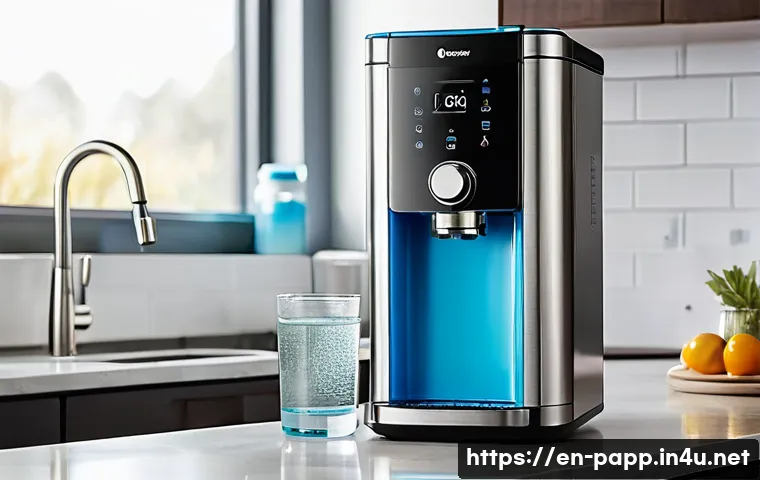
Your lifestyle dictates the ideal capacity. For example, when camping or traveling, I preferred smaller dispensers that I could easily pack and carry.
For home or office use, larger capacities meant fewer refills and uninterrupted access to hot and cold water. If you have multiple people relying on the dispenser, going bigger is a no-brainer.
In contrast, if your use is limited to occasional tea or coffee, compact models work well and save space.
Refill Mechanisms and Water Source Compatibility
Some dispensers use bottles or jugs that you replace or refill, while others connect directly to water lines or reservoirs. I found that models with easy-to-remove water tanks made refilling quick and spill-free.
Others that require detaching multiple parts felt clunky and prone to leaks. Also, if you plan to use bottled water, check compatibility with standard bottle sizes or whether the dispenser supports direct tap connection.
This can save you hassle and keep your hydration routine smooth.
Maintenance Tips to Extend Lifespan and Performance
Regular Cleaning Routines
From my experience, setting a cleaning schedule helped keep the dispenser functioning optimally. Wiping down the exterior, cleaning the drip tray, and flushing the internal water paths every few weeks prevented buildup and bacteria growth.
Some models recommend monthly deep cleans or descaling, especially if you have hard water. Ignoring these steps often led to reduced water flow or off tastes.
It’s a small effort that pays off in longevity and safety.
Filter Replacement and Care
Keeping the filters fresh is vital. I found that many dispensers come with indicators to alert when it’s time to swap out filters, but if yours doesn’t, mark your calendar based on usage or manufacturer guidelines.
Replacing filters on time ensures clean-tasting water and protects internal components from clogging. Having spare filters on hand also reduces downtime.
I keep extras ready so I never run out or forget.
Troubleshooting Common Issues
Even the best dispensers can encounter hiccups. During my usage, I faced occasional leaks, slow heating, or error messages. Most problems were solved by checking water levels, resetting the unit, or cleaning filters.
Familiarizing yourself with the user manual and online support forums can be a lifesaver. If issues persist, contacting customer service or warranty support is advisable.
Don’t hesitate to troubleshoot early before small problems worsen.
Enhancing Your Setup with Accessories and Add-ons
Reusable Water Bottles and Cups
Pairing your dispenser with high-quality reusable bottles or insulated cups makes on-the-go hydration seamless. I found that having a favorite travel mug that fits under the dispenser spout encourages me to drink more water throughout the day.
Look for bottles made from BPA-free materials or stainless steel that keep your drinks at the right temperature longer. This small upgrade adds convenience and sustainability.
Water Quality Testing Kits
If you’re concerned about water purity, I recommend investing in simple water testing kits to check for contaminants regularly. Knowing what’s in your water helps you decide if you need extra filtration or a specific dispenser model.
I used testing kits early on and realized that my tap water contained chlorine levels that affected taste, prompting me to upgrade to a filtered dispenser.
Spare Parts and Warranty Extensions
Considering warranty extensions or buying spare parts upfront can save money and hassle later. I learned this the hard way when a replacement filter or power adapter took weeks to arrive, temporarily sidelining my dispenser.
Some brands offer extended warranties or service plans that cover repairs and replacements. It’s worth checking these options before finalizing your purchase to ensure long-term satisfaction.
Wrapping Up
Choosing the right portable water dispenser can truly elevate your daily hydration experience. From speedy hot and cold water delivery to durable materials and smart features, each aspect plays a vital role in convenience and satisfaction. By understanding your specific needs and preferences, you can find a dispenser that seamlessly fits your lifestyle. I hope these insights help you make an informed and confident choice.
Useful Tips to Keep in Mind
1. Always prioritize quick heating and cooling speeds to avoid unnecessary waiting times during busy mornings or on the go.
2. Consider the balance between size and portability—lighter models are great for travel, while larger tanks suit families or offices better.
3. Look for dispensers with energy-saving features like auto shut-off and eco modes to reduce power consumption and lower bills.
4. Regular cleaning and timely filter replacements are essential to maintain water quality and extend your dispenser’s lifespan.
5. Smart connectivity features can enhance convenience, allowing remote control and maintenance alerts directly from your smartphone.
Key Takeaways
Selecting a water dispenser involves evaluating speed, portability, power options, and build quality to match your daily habits. Durability and ease of maintenance are crucial for long-term use, while smart features and filtration systems add significant value. Always align your choice with your lifestyle, whether for home, office, or travel, to ensure consistent access to clean, perfectly tempered water without hassle.
Frequently Asked Questions (FAQ) 📖
Q: How do I choose the right size portable water dispenser for my needs?
A: When selecting a portable water dispenser, consider where you’ll be using it most often and how many people will rely on it. For personal use at a desk or small kitchen, a compact unit with a 1-2 gallon capacity usually suffices.
If you’re camping with a group or need it for an office setting, opting for a larger capacity—around 3-5 gallons—prevents frequent refills. I found that balancing size with portability is key; too big, and it becomes cumbersome, too small, and you’re constantly topping it up.
Also, check the dispenser’s weight when filled to ensure it’s manageable for your lifestyle.
Q: Can portable water dispensers provide both hot and cold water quickly without long wait times?
A: Yes, many modern portable dispensers are designed with rapid heating and cooling technologies that deliver hot and cold water almost instantly. From my experience testing several models, units with built-in compressors or thermoelectric cooling tend to chill water fast, while those with quick-heating elements can bring water to a boil within minutes.
However, keep in mind that ultra-compact models might have slightly slower temperature recovery rates due to smaller reservoirs. If fast access is crucial for you, look for dispensers specifically marketed for rapid temperature control.
Q: What maintenance is required to keep a portable water dispenser clean and functioning well?
A: Maintaining a portable water dispenser is straightforward but essential for safety and performance. Regularly cleaning the water reservoir and dispensing nozzles with mild soap and warm water prevents buildup and bacteria growth.
I recommend doing a deep clean every 2-4 weeks, depending on usage, and always using filtered or purified water to reduce mineral deposits. Some models have removable drip trays and filters, which should be cleaned or replaced as per the manufacturer’s instructions.
Keeping your dispenser well-maintained not only prolongs its life but also ensures your water tastes fresh and stays safe.