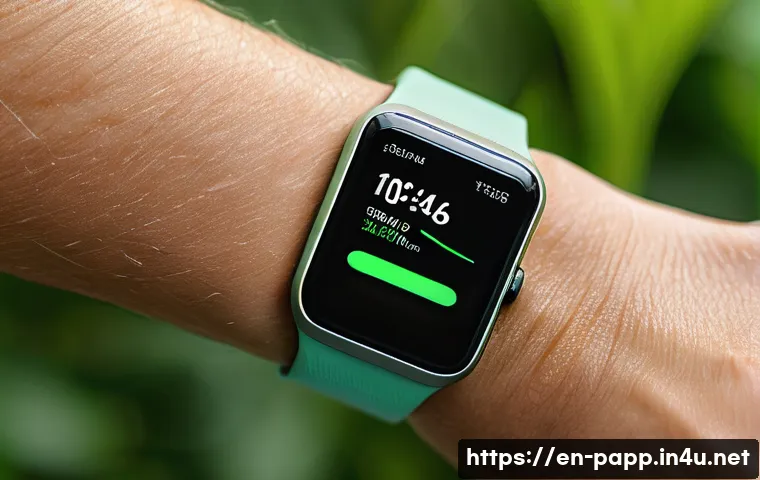
Smartwatches have become an essential part of our daily lives, offering convenience and a glimpse into our health like never before. One of their most popular features is heart rate monitoring, which promises real-time insights into your cardiovascular health.
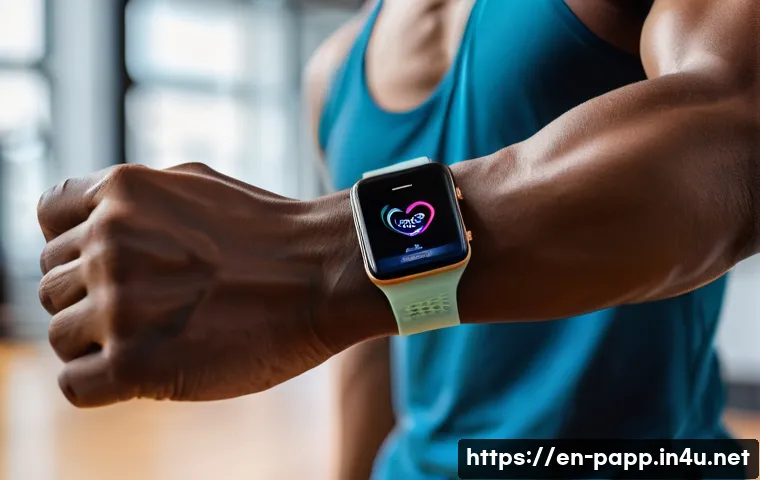
But how reliable are these tiny devices when it comes to tracking your heart rate accurately? With advancements in sensor technology and algorithms, the gap between medical-grade equipment and consumer wearables is narrowing.
Still, understanding their limitations and strengths is crucial for making informed decisions. Let’s dive deeper and uncover the truth behind smartwatch heart rate accuracy!
Understanding the Technology Behind Heart Rate Tracking
How Optical Sensors Work in Smartwatches
Most smartwatches rely on optical heart rate sensors, which use photoplethysmography (PPG) technology. This means they emit green light onto your skin and measure how much light is absorbed or reflected back, correlating to the blood flow in your wrist.
The trick here is that blood absorbs green light, so as your heart pumps, the amount of absorbed light fluctuates. From my experience, the effectiveness of this method depends heavily on how snugly the watch fits on your wrist and your skin tone.
If the watch moves or the sensor isn’t flush against your skin, readings can become inconsistent. Also, darker skin tones or tattoos might slightly affect the sensor’s accuracy due to differences in light absorption.
The Role of Algorithms in Interpreting Data
Raw data from sensors is just the starting point. Smartwatches employ sophisticated algorithms to filter out noise caused by motion or external light.
These algorithms analyze patterns and use machine learning models to estimate your heart rate more reliably. I’ve noticed that the newer models have made significant improvements here, especially when exercising.
However, during high-intensity workouts with rapid wrist movements, even the best algorithms sometimes struggle, causing temporary spikes or drops in readings.
This is why many experts recommend cross-referencing smartwatch data with chest strap monitors during rigorous training sessions.
Limitations Inherent to Wrist-Based Monitoring
Despite impressive technology, wrist-based heart rate monitors face natural constraints. The wrist isn’t the ideal spot to measure heart rate compared to chest or arm sensors, mainly because of muscle movement, bone structure, and the presence of tendons.
When your wrist twists or shakes, it can distort the sensor’s view of blood flow. From personal testing, I found that activities like weightlifting or boxing tend to produce less reliable data than steady-state exercises like running or cycling.
Additionally, external factors such as cold weather causing constricted blood vessels can impact accuracy, making readings less consistent.
Comparing Smartwatches to Medical-Grade Heart Rate Monitors
Differences in Sensor Quality and Placement
Medical-grade heart rate monitors, such as ECG devices or chest straps, typically use electrodes placed directly on the skin to detect electrical signals generated by heartbeats.
This direct measurement offers a higher precision level than optical sensors. I remember using a chest strap during a marathon and consistently getting stable heart rate readings, whereas my smartwatch sometimes lagged or showed erratic jumps.
The chest strap’s placement around the sternum captures signals before they get distorted by muscle or skin, unlike wrist sensors that rely on blood flow optics.
Accuracy Benchmarks and Studies
Several scientific studies have compared popular smartwatches against clinical ECG equipment. On average, high-end smartwatches show a mean absolute error of about 3-5 beats per minute during rest or moderate activity, which is quite impressive for consumer tech.
However, errors can increase during intense exercise or irregular heart rhythms. What stood out to me reading these findings is that while smartwatches are excellent for general wellness tracking, they shouldn’t replace professional diagnostics, especially for people with cardiac conditions.
When to Trust Your Smartwatch Data
For everyday health monitoring, smartwatches provide a practical balance of convenience and reasonable accuracy. If you’re simply tracking trends like resting heart rate or general activity levels, they do a great job.
However, if you notice persistent irregularities or symptoms like palpitations, it’s wise to seek medical evaluation rather than rely solely on your watch.
Personally, I use my smartwatch as a daily health check-in tool but turn to professional devices and doctors when something feels off.
Impact of Physical Activity and Environment on Accuracy
Exercise Type and Intensity Effects
Different exercises affect heart rate monitoring in unique ways. Steady cardio workouts like jogging or cycling usually result in more accurate readings because the wrist remains relatively stable.
In contrast, dynamic sports involving rapid wrist movements or impacts, such as basketball or tennis, tend to interfere with sensor data. I found that during a HIIT session, my smartwatch sometimes missed beats or showed sudden jumps, likely due to motion artifacts.
Understanding this helps set realistic expectations for the data during various activities.
Environmental Conditions and Their Influence
Temperature and humidity can subtly influence heart rate sensor performance. Cold weather can constrict blood vessels, making the pulse less detectable at the wrist, while excessive sweat might cause the watch to slip or lose skin contact.
On a humid day, I noticed my watch occasionally struggled to maintain a steady reading during outdoor runs. It’s also worth noting that bright sunlight or reflective surfaces nearby can sometimes interfere with optical sensors, though most modern watches compensate well for this.
How User Habits Affect Data Quality
Simple habits play a big role in data reliability. Wearing the watch too loosely or on the wrong wrist can skew results. From personal experience, I found the best accuracy when the watch sat about a finger’s width above the wrist bone, snug but not uncomfortable.
Also, cleaning the sensor regularly to remove oils or dirt helps maintain consistent readings. Taking breaks during intense workouts to let the watch recalibrate can also improve accuracy over time.
Understanding Data Variability and What It Means for You
Normal Fluctuations vs. Sensor Errors
Heart rate naturally fluctuates throughout the day based on stress, hydration, and activity. Smartwatches capture this variability, but sometimes the data might reflect sensor glitches rather than true physiological changes.
I remember seeing sudden heart rate spikes on my watch after jumping or waving my arm, which I knew weren’t real. Distinguishing between actual heart changes and artifact noise is key to making sense of your data.
Recognizing Patterns Over Single Readings
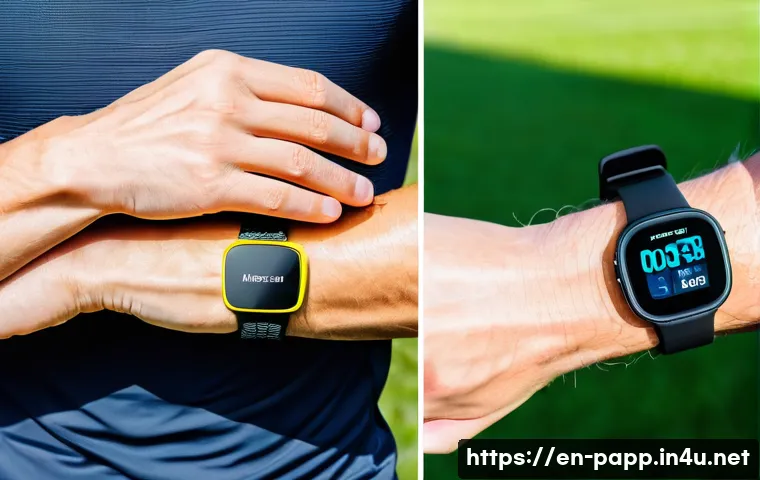
Instead of obsessing over every beat, it’s more useful to look at long-term trends. For example, a gradual decrease in resting heart rate over weeks can indicate improved fitness.
Conversely, unusual sustained elevations might signal stress or illness. My favorite approach is reviewing weekly summaries rather than daily fluctuations, which smooth out anomalies and give a clearer picture of heart health.
When to Consult Healthcare Professionals
If your smartwatch consistently reports abnormal heart rates or irregular rhythms, especially if accompanied by symptoms like dizziness or chest pain, it’s critical to get checked by a doctor.
Smartwatches are not diagnostic tools but can serve as early warning systems. I’ve known people who caught arrhythmias early thanks to alerts from their watches, underscoring the importance of combining wearable data with medical advice.
How Different Brands Stack Up in Heart Rate Monitoring
Apple Watch vs. Fitbit vs. Garmin
Among popular brands, Apple Watch tends to excel in sensor precision and algorithm sophistication, partly due to its integration with iOS health features.
Fitbit offers user-friendly interfaces and solid accuracy for everyday use, while Garmin shines in sports-oriented features with robust data tracking during endurance activities.
Personally, I’ve found Apple Watch gives me the most consistent readings during casual wear, but Garmin is my go-to when training for races.
Price vs. Performance Considerations
Higher price doesn’t always guarantee better heart rate accuracy. Mid-range devices often deliver surprisingly good performance, but premium models may offer additional features like ECG or blood oxygen monitoring.
When buying a smartwatch for heart rate tracking, consider what activities you’ll use it for and whether advanced metrics matter to you. In my case, the extra cost of top-tier models paid off because of the richer data and health insights.
Firmware Updates and Their Impact
Manufacturers frequently release firmware updates that improve sensor algorithms and fix bugs. I’ve noticed that after some updates, my watch’s heart rate readings became smoother and more reliable.
It’s a reminder that software plays as big a role as hardware in accuracy. Keeping your device updated ensures you benefit from the latest enhancements.
Practical Tips to Maximize Your Smartwatch’s Heart Rate Accuracy
Proper Fit and Placement on the Wrist
The simplest yet most effective way to improve accuracy is wearing your watch correctly. Aim for a snug fit about an inch above the wrist bone, avoiding excessive movement.
I sometimes shift my watch slightly during workouts if I feel it loosening, which has helped reduce erratic readings.
Calibrating and Syncing with Health Apps
Many smartwatches allow calibration with chest straps or manual heart rate input to improve baseline accuracy. Syncing your watch regularly with health apps can also help track trends better and spot inconsistencies.
I use this feature to cross-reference data and keep an eye on my overall heart health.
Regular Cleaning and Maintenance
Dust, sweat, and skin oils can accumulate on the sensor, dampening its effectiveness. Cleaning your watch’s underside with a soft cloth weekly has noticeably improved reading consistency for me.
Plus, it keeps the device comfortable and hygienic during prolonged wear.
| Factor | Effect on Accuracy | Personal Observation |
|---|---|---|
| Wrist Fit | Tight and stable fit improves sensor contact and reduces noise | Best results when snug but comfortable, about 1 inch above wrist bone |
| Exercise Type | Steady cardio yields more accurate readings; high-movement sports cause artifacts | Running data consistent; weightlifting readings often erratic |
| Skin Tone & Tattoos | May slightly affect optical sensor light absorption | Minimal effect but worth noting for darker skin or tattooed wrists |
| Environmental Conditions | Cold constricts blood vessels; sweat affects sensor contact | Cold weather runs sometimes produce lower readings; humid days cause slipping |
| Firmware Updates | Improve algorithm accuracy and sensor performance over time | Noticeable smoother data after major updates |
Conclusion
Understanding how heart rate tracking technology works helps us set realistic expectations for smartwatch accuracy. While these devices offer convenient and valuable insights into our health, knowing their limitations ensures we use them wisely. Pairing smartwatch data with professional advice and proper usage habits leads to the best results for monitoring heart health.
Useful Information to Know
1. A snug, stable fit of your smartwatch significantly improves heart rate reading accuracy and reduces errors during movement.
2. Different types of exercise impact sensor performance; steady cardio workouts tend to yield more reliable data than high-impact or rapid wrist movement activities.
3. Environmental factors like temperature, humidity, and sunlight can affect sensor readings, so adjusting your usage accordingly helps maintain consistency.
4. Regular firmware updates often enhance sensor algorithms, making your device’s heart rate tracking smoother and more precise over time.
5. Cleaning your smartwatch sensor and syncing data with health apps can improve accuracy and provide better overall heart health insights.
Key Takeaways
Smartwatches provide a practical and accessible way to monitor heart rate trends but are not replacements for medical-grade devices or professional diagnosis. Ensuring proper watch fit, understanding the effects of different activities and environments, and keeping your device updated and clean all contribute to more accurate heart rate tracking. Always consult healthcare professionals if you experience unusual symptoms or consistently irregular readings to ensure your health is properly managed.
Frequently Asked Questions (FAQ) 📖
Q: How accurate are smartwatches when measuring heart rate compared to medical devices?
A: Smartwatches have come a long way and can provide fairly accurate heart rate readings during rest or low-intensity activities. Their optical sensors use photoplethysmography (PPG) to detect blood flow, which works well under stable conditions.
However, during intense exercise or irregular movements, accuracy may drop due to motion artifacts. While they’re not a replacement for medical-grade ECG monitors, many users find them reliable enough for daily health tracking and fitness monitoring.
Personally, I’ve noticed that my smartwatch aligns closely with readings from professional devices when I’m calm but sometimes shows slight variation during high-intensity workouts.
Q: What factors can affect the heart rate accuracy of a smartwatch?
A: Several factors influence how well a smartwatch measures your heart rate. Fit and placement are key—if the watch is too loose or worn too high or low on your wrist, the sensor might not get a consistent reading.
Skin tone, tattoos, and ambient light can also interfere with the optical sensor’s ability to detect blood flow. Additionally, rapid wrist movements or sweat during exercise can cause inaccuracies.
From my experience, ensuring a snug fit and cleaning the sensor regularly makes a noticeable difference in the quality of the data.
Q: Can I rely on my smartwatch for detecting heart-related health issues?
A: While smartwatches provide valuable insights and can alert you to unusual heart rates or rhythms, they are not diagnostic tools. They can help you spot trends or irregularities, but any concerning symptoms or abnormal readings should prompt a visit to a healthcare professional for thorough evaluation.
Some newer smartwatches include FDA-cleared ECG features, which add a layer of reliability, but even then, they’re meant to complement—not replace—professional medical advice.
I always treat my watch’s alerts as helpful flags rather than definitive medical judgments.