Hey everyone! Are you truly getting the most out of that sleek, high-tech wireless electric toothbrush sitting on your bathroom counter? We all invest in these fantastic devices for a brighter, healthier smile, hoping for that ‘dentist clean’ feeling every day.
But here’s the thing: unlocking its full potential goes beyond just pressing a button. From ensuring you’ve got the optimal brushing technique down to a science, to understanding when to replace those brush heads and even figuring out the best settings for your unique dental needs, there are so many powerful little tweaks that can completely transform your daily routine.
Trust me, after seeing countless people make simple mistakes, I know a few insights can make a monumental difference. Ready to elevate your oral hygiene game?
Let’s dive in and discover exactly how to make your wireless electric toothbrush truly work wonders for you!
Hey there, fabulous smile enthusiasts! It’s your favorite oral care aficionado, back with some juicy insights to make your daily brush a truly transformative experience.
You know, it’s funny, we splurge on these amazing wireless electric toothbrushes, expecting them to magically deliver that dazzling dentist-clean feeling.
And while they’re certainly incredible tools, I’ve noticed a lot of folks aren’t quite tapping into their full power. It’s like having a sports car but only driving it to the grocery store!
But don’t worry, that’s exactly what I’m here for. Let’s unlock the secrets to truly making your wireless electric toothbrush work wonders for you, turning your everyday routine into a spa day for your teeth and gums.
Mastering Your Brushing Technique for a Brighter Smile
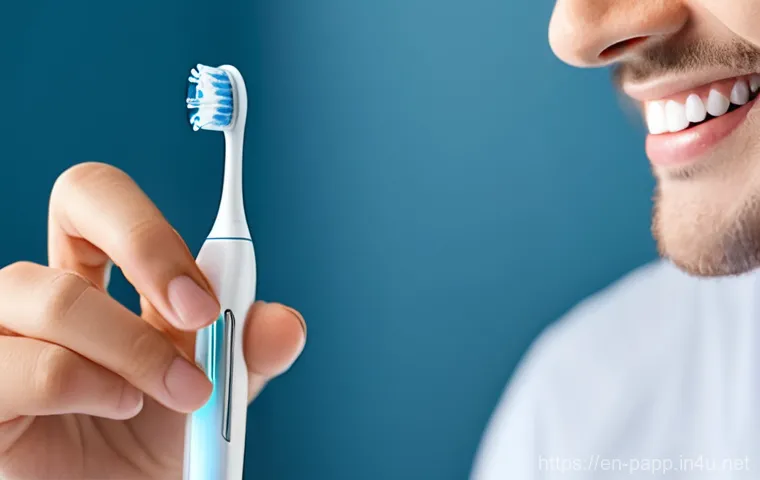
Okay, so you’ve got this super-powered device in your hand, but are you actually using it to its full potential? This is where I’ve seen a lot of people make a simple mistake. Many of us grew up with manual toothbrushes, where we learned to scrub, scrub, scrub. But with an electric toothbrush, that aggressive scrubbing motion is a big no-no! I remember when I first switched, I was still brushing like I was trying to clean grout off the bathroom tiles, and my dental hygienist quickly set me straight. The beauty of an electric toothbrush is that it does most of the hard work for you. Instead of scrubbing, your job is to gently guide the brush head, letting its high-speed rotations or vibrations do their magic. Imagine simply holding it in place for a few seconds on each tooth, letting the bristles gently clean along the gumline and tooth surface, then slowly moving to the next. The American Dental Association recommends brushing for two minutes, twice a day, and many electric toothbrushes even have built-in timers that beep or pause every 30 seconds to remind you to move to a different quadrant of your mouth. Trust me, once you get this technique down, you’ll feel an incredible difference, and your gums will thank you for the gentle touch.
The Gentle Touch: Letting the Brush Do the Work
One of the biggest shifts you need to make from a manual to an electric toothbrush is to stop scrubbing. Seriously, stop it! With an electric toothbrush, the bristles are designed to vibrate or oscillate at incredibly high speeds, doing all the heavy lifting to dislodge plaque and food particles. When I first started, I found myself still applying too much pressure, which not only wore out my brush heads faster but also wasn’t ideal for my gums. Many modern electric toothbrushes, like the one I personally use, come with pressure sensors. These little marvels will light up red or give you a different vibration pattern if you’re pressing too hard. It’s an absolute game-changer, giving you real-time feedback to ensure you’re being gentle. Just aim the bristles at a 45-degree angle towards your gum line, gently rest the brush head on each tooth, and count to a slow three before moving on. This ensures every surface gets the attention it deserves without any unnecessary scrubbing. You’ll achieve a far more effective clean and protect your precious enamel and gum tissue.
Navigating the Nooks: Reaching Every Corner
Sometimes, getting to those tricky spots, like the backs of your molars or the inside surfaces of your front teeth, can feel like a mission. Even with an electric toothbrush, it requires a little intentionality. My trick? I always start with the outer surfaces of my upper teeth, guiding the brush slowly along, then move to the inner surfaces, and finally the chewing surfaces. Then I repeat the entire process for my lower teeth. For those inner front teeth, try tilting the brush vertically and using gentle up-and-down strokes with the tip. And here’s a pro-tip from my own experience: if you find yourself consistently missing a certain area, try switching hands for that section! It feels awkward at first, I know, but it can make a huge difference in reaching those neglected spots. A thorough cleaning means hitting every single surface, not just the easy ones you can see in the mirror.
The Essential Lifespan of Your Brush Head and Handle
Alright, let’s talk about something many of us overlook: when to replace your brush head. I’ve heard so many people say, “Oh, I just use it until the bristles look really bad.” But friends, by then, you’re already way past due! Think of it like a car tire – it might still look okay, but its performance diminishes over time. The American Dental Association, along with most dental professionals, recommends swapping out your electric toothbrush head every three to four months. Why? Because even if they look fine, the bristles wear down, lose their effectiveness in removing plaque, and can even harbor bacteria. Many brush heads, especially from popular brands, have clever indicator bristles that fade in color to signal it’s time for a change, which is super helpful if you’re like me and often forget to mark your calendar! Beyond just the bristles, there are other reasons to consider an earlier replacement, like if you’ve been sick, to avoid reinfection. And while we’re on the topic of replacement, remember that the toothbrush *handle* itself also has a lifespan, typically three to five years, especially if you notice battery issues or decreased cleaning efficiency.
Spotting the Signs of Wear and Tear
Knowing when your brush head is ready for retirement isn’t always about the calendar, though that’s a great guideline. It’s also about being observant. From my personal experience, the most obvious sign is when the bristles start looking frayed, bent, or splayed outwards. They just can’t effectively reach plaque when they’re all over the place. Another subtle cue I’ve picked up on is discoloration or staining of the bristles, which means they’ve likely run their course. Sometimes, if you’re brushing too hard (which we now know to avoid!), you might wear out your brush head even faster, so it’s a good indicator to also re-evaluate your technique. Don’t underestimate the impact of an old, worn-out brush head. Studies have actually shown that they’re less effective at removing plaque and preventing tooth decay compared to a fresh one. So, take a quick peek at your brush head after each cleaning – it might be trying to tell you something!
Keeping Your Tech in Top Shape: Cleaning and Storage
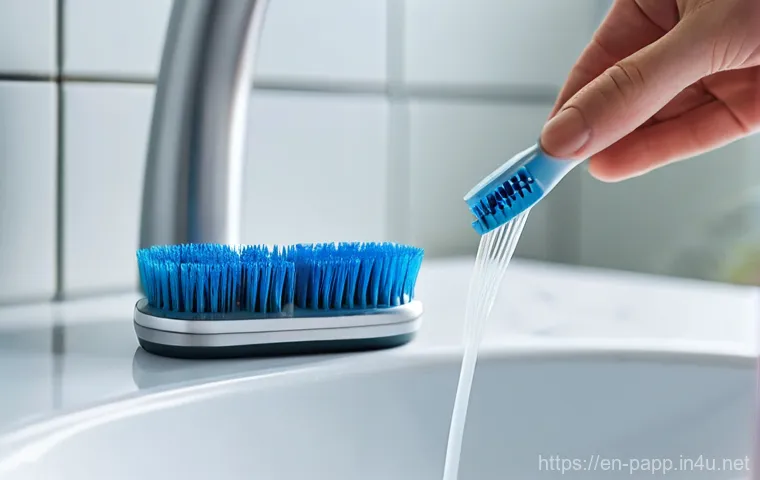
Just like any gadget you rely on daily, your electric toothbrush needs a little TLC to stay hygienic and perform its best. After every single use, I always make it a point to rinse the brush head thoroughly under running water, making sure to get rid of any toothpaste residue or food particles. Some manufacturers, particularly for oscillating-rotating brushes, even suggest rinsing with the brush still switched on to really flush things out. Then, I detach the brush head from the handle and give both a good wipe with a damp cloth, allowing them to air dry completely. Why detach? Because moisture can get trapped where the head meets the handle, which isn’t ideal for longevity or hygiene. I store my toothbrush handle horizontally on its back and the head separately in an upright position to ensure maximum airflow. And please, avoid those tightly sealed travel caps or holders for everyday use at home – they create a damp, dark environment that’s a breeding ground for bacteria. If you must use a cover, opt for one with ventilation holes.
Deciphering Your Toothbrush’s Modes and Settings
Many modern wireless electric toothbrushes come packed with different modes, and for a while, I honestly just stuck to the “Daily Clean” setting because, well, it seemed like the standard. But once I started experimenting, I realized how much of a difference these specialized settings can make for tailored oral care. It’s like having multiple brushes in one! For instance, if you have sensitive teeth or gums, there’s usually a “Sensitive” mode that operates at a lower speed and gentler vibration, which I find incredibly soothing, especially during allergy season when my gums can feel a bit tender. Then there’s the “Gum Care” or “Massage” mode, which uses pulsing vibrations to gently stimulate blood flow to your gums – a fantastic way to boost gum health. For those seeking a brighter smile, a “Whitening” mode often alternates speeds to polish away surface stains, especially when paired with a good whitening toothpaste. And don’t forget the “Deep Clean” for those days you feel like you need an extra thorough scrub. Understanding these modes allows you to personalize your brushing experience, addressing specific concerns and optimizing your oral health goals.
Matching Modes to Your Unique Dental Needs
The beauty of having multiple brushing modes is that you can truly customize your oral care routine. It’s not a one-size-fits-all world, and your teeth and gums certainly have their own specific requirements. For instance, if I’ve had a particularly sugary meal or feel like my teeth need an extra polish, I might switch to a “Deep Clean” or “Whitening” mode. However, if my gums are feeling a little irritated, or after a dental procedure, I always gravitate towards the “Sensitive” or “Gum Care” setting. It’s about listening to your mouth and responding with the right tool. My advice is to read your toothbrush manual (yes, really!) and experiment with the different settings. You might be surprised to find a mode that perfectly addresses a long-standing oral care concern you have. It truly elevates the experience from a chore to a personalized self-care ritual.
The Smart Features: Timers, Sensors, and Connectivity
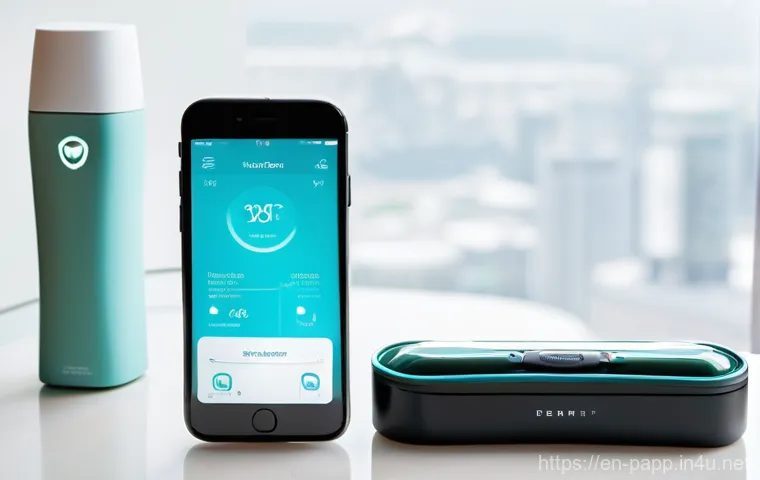
Beyond just brushing modes, many electric toothbrushes come loaded with smart features that are absolute game-changers. I mentioned pressure sensors earlier, and I can’t stress enough how beneficial they are for preventing over-brushing. Then there are the built-in timers, usually set for the dentist-recommended two minutes, often with a “quadpacer” that signals every 30 seconds to move to a new section of your mouth. This ensures you dedicate equal time to all areas, which, from personal experience, is way harder to do with a manual brush! Some advanced models even offer Bluetooth connectivity to a smartphone app, providing real-time feedback on your brushing habits, tracking your progress, and reminding you when to replace your brush head. This data can be incredibly motivating and helps you refine your technique even further, transforming your oral care from a blind routine into an informed, goal-oriented practice.
Choosing the Right Brush Head for Optimal Cleaning
Did you know there’s a whole world of electric toothbrush heads out there, each designed for a slightly different purpose? I certainly didn’t fully appreciate this until I started diving deep into oral hygiene. It’s not just about replacing the worn-out one; it’s about optimizing for your specific needs. Most brands offer a range of specialized heads. For example, some are designed for “Precision Clean” with densely packed bristles to rotate around each tooth and remove plaque effectively. Then you have “Sensitive” brush heads, which typically feature extra-soft bristles for a gentler clean, perfect if you have delicate gums or enamel. If you’re looking to brighten your smile, “Whitening” heads often incorporate polishing cups or specialized bristles to help remove surface stains. There are even “Orthodontic” heads specifically designed to clean around braces and wires, which is a lifesaver for anyone undergoing treatment. Smaller “Compact” heads are fantastic for those with smaller mouths or who find it difficult to reach the back teeth. Taking the time to understand these options and selecting the head that aligns with your oral health goals can truly enhance your daily brushing and give you that extra edge in maintaining a healthy, beautiful smile.
Understanding Bristle Types and Shapes
When it comes to brush heads, the bristles themselves are a crucial element. From my own experience, I’ve tried a variety, and the difference is palpable. Most electric toothbrush heads use nylon bristles, but their arrangement, length, and softness vary significantly. You’ll often find bristles that are end-rounded, which are gentler on gums, or those with varied lengths and angles designed to reach deep between teeth and along the gumline. Some specialized heads even incorporate rubber flossing strips or polishing petals for added benefits. For general daily cleaning, a good quality, medium-soft bristle head is usually excellent. However, if you’re prone to gum recession or sensitivity, always opt for soft bristles. Using bristles that are too hard can actually damage your gums and enamel over time. It’s worth checking your toothbrush manufacturer’s guidance, as they often have specific recommendations for their models. The right bristle type ensures not just cleanliness, but also comfort and protection for your entire mouth.
Compatibility Matters: Not All Heads Fit All Brushes
This might seem obvious, but it’s a mistake I’ve seen happen countless times: trying to fit an incompatible brush head onto your electric toothbrush handle. It’s a bit like trying to put a square peg in a round hole! Most electric toothbrush heads are not universal, meaning you generally need to stick to the same brand as your toothbrush handle. Even within a brand, different models might have specific head requirements. For example, Oral-B’s iO series uses different heads than their standard oscillating-rotating models. Using an off-brand or poorly fitting replacement can not only reduce cleaning effectiveness but potentially damage the motor of your toothbrush. Before you stock up on those replacement heads, always double-check the compatibility specifications. A quick look at the packaging or the manufacturer’s website will usually clear up any confusion. Investing in the correct, genuine replacement heads ensures your toothbrush continues to operate at its peak performance, protecting your investment and, most importantly, your smile!
Maintaining Your Wireless Wonder: Battery Life and Longevity
Having a wireless electric toothbrush is all about convenience, right? But that convenience largely hinges on a healthy battery. I’ve learned that how you charge and care for your toothbrush’s battery can significantly impact its lifespan and performance. Most modern electric toothbrushes utilize lithium-ion batteries, known for their efficiency and long life. The general rule of thumb I follow is to avoid letting the battery completely die before recharging it. It’s much better to charge it when the indicator shows it’s getting low. And while it might be tempting to leave it on the charger all the time, especially overnight, it’s actually better to unplug it once it’s fully charged. Constant overcharging, even with built-in protection, can generate unnecessary heat and potentially shorten the battery’s lifespan. By implementing a consistent charging routine and not overdoing it, you’ll ensure your toothbrush is always ready to go when you are, delivering consistent power for that superior clean without any annoying mid-brush power fades. My own toothbrush lasts for ages between charges, and I truly believe it’s because I’m mindful of its charging habits.
Smart Charging Habits for Extended Power
So, what exactly are smart charging habits? It boils down to a few simple practices that, from my experience, make a world of difference. First, as I mentioned, avoid constantly leaving it on the charger. If your toothbrush has an indicator that tells you when it’s fully charged (many do!), take it off the charging base once it’s done. I usually charge mine for about 12 hours for a full charge when it’s low, rather than just topping it up for short bursts. Second, if your brush uses Ni-MH batteries (check the bottom of your handle if you’re unsure!), it’s actually better to let it run down almost completely before recharging, whereas Li-ion batteries prefer being charged before they hit zero. Understanding your battery type is key! Third, always use the charger that came with your toothbrush or a compatible quality charger. Using an incorrect charger can damage the battery or even be a safety risk. These small adjustments can significantly extend the life of your battery, saving you money on replacements and ensuring your toothbrush performs optimally for years to come.
Protecting Your Investment: Beyond the Battery
It’s not just the battery that needs attention; the entire toothbrush handle needs a bit of care to maximize its longevity. Keeping the handle clean and dry is paramount. After each use, after I’ve rinsed and detached the brush head, I wipe down the handle with a damp cloth to remove any toothpaste residue or water spots. This prevents gunk from building up in the crevices around the power button or where the brush head attaches. I’ve seen firsthand how sticky residue can get into those spots and make buttons less responsive over time. Also, try to avoid dropping your toothbrush! While they’re generally quite durable, repeated drops can damage internal components or break seals, potentially leading to water seepage and motor issues. Store it in a place where it won’t easily fall or get knocked over. Finally, store your toothbrush in a cool, dry place, away from extreme temperatures, as excessive heat can degrade the battery faster. Think of these tips as preventative maintenance – a little effort now saves a lot of hassle later!
Traveling Smart with Your Electric Toothbrush
For us jet-setters and road-trippers, taking our oral hygiene game on the go is non-negotiable. I used to just toss my electric toothbrush into my toiletry bag, only to find it covered in lint or accidentally switched on, draining the battery. Talk about frustrating! But with a few smart strategies, traveling with your wireless wonder can be completely hassle-free. First and foremost, invest in a good travel case. Many electric toothbrushes come with one, or you can buy a compatible, waterproof, and dustproof case separately. This protects the brush head from germs and prevents accidental activation. Before packing, make sure your toothbrush is clean and completely dry. I always detach the brush head and let both pieces air dry overnight. This prevents moisture buildup and potential mold growth during transit. When flying, always pack your electric toothbrush, especially those with lithium-ion batteries, in your carry-on luggage. Airlines often have restrictions on lithium batteries in checked baggage due to safety concerns. And remember to fully charge your toothbrush before you leave – most last for a week or two on a single charge, which is perfect for most trips!
Packing Perfection: Cases, Chargers, and Hygiene
When I’m packing for a trip, my electric toothbrush setup is a key part of my toiletry kit. Here’s how I make sure it’s always travel-ready and hygienic. The travel case is non-negotiable; I look for one that has ventilation holes, so any lingering moisture can escape. Inside, I usually place the detached brush head in a small, sealed baggie for extra hygiene. For longer trips, I definitely pack the charger. While most modern brushes have excellent battery life, nothing’s worse than a dead toothbrush when you need it most! However, I try to avoid bulky adapters and opt for a universal USB charger if my toothbrush allows, which cuts down on clutter. And a crucial tip I learned the hard way: never pack liquids like mouthwash or full-sized toothpaste tubes in your carry-on if they exceed TSA limits – those go in checked baggage. For quick access during travel, I carry a travel-sized toothpaste and a small bottle of mouthwash in my liquids bag. This meticulous approach ensures my oral hygiene routine stays on track, no matter where my adventures take me.
Navigating Airport Security and International Travel
Traveling by air with an electric toothbrush can sometimes raise questions about security, but generally, it’s quite straightforward. As I mentioned, the Transportation Security Administration (TSA) allows electric toothbrushes in both carry-on and checked luggage. However, devices with lithium metal or lithium-ion batteries should ideally be in your carry-on due to potential fire risks in the cargo hold. My rule of thumb is: if it has a rechargeable battery, it’s coming in the cabin with me. It’s also a good idea to check your specific airline’s website before you fly, as some may have more stringent restrictions, although most electric toothbrush batteries fall well within common limits. For international travel, don’t forget a universal power adapter if you need to charge your toothbrush! Voltage compatibility can vary greatly between countries (e.g., 110V in North America vs. 220-240V in Europe), and you definitely don’t want to fry your beloved brush. A good quality universal adapter is a small investment that saves a lot of headaches abroad. Staying informed means smooth travels and a continuously brilliant smile!
| Aspect of Care | Recommended Practice | Why It Matters |
|---|---|---|
| Brush Head Replacement | Every 3-4 months, or sooner if bristles are frayed/discolored. | Ensures optimal plaque removal and prevents bacteria buildup. |
| Brushing Technique | Gentle guidance, 45-degree angle towards gumline, letting brush do the work. | Protects gums and enamel, maximizes cleaning efficiency. |
| Charging Habits | Charge when low, unplug when full (especially Li-ion), avoid full depletion. | Extends battery lifespan, maintains consistent power. |
| Cleaning | Rinse head & handle after each use, wipe dry, air dry detached. | Prevents toothpaste buildup, bacteria growth, and moisture damage. |
| Travel | Use a dedicated travel case, pack in carry-on (for Li-ion), charge fully beforehand. | Protects brush, adheres to airline regulations, ensures readiness. |
Elevating Your Oral Health with Advanced Features
Modern wireless electric toothbrushes are more than just power tools for your teeth; they’re sophisticated oral health companions packed with features designed to truly elevate your routine. I’ve found that truly understanding and leveraging these advanced functionalities can make a world of difference in maintaining a healthy, radiant smile. Beyond the basic cleaning modes, many premium models now integrate artificial intelligence and smart sensors to map your mouth and give you personalized coaching through an app. Imagine getting real-time feedback on your brushing coverage, identifying areas you consistently miss, or even detecting if you’re applying too much pressure! This level of personalized insight goes way beyond what a simple manual brush could ever offer. It’s like having a dental hygienist guiding you every single time you brush, correcting your technique and ensuring you get a consistently thorough clean. For me, these features transformed brushing from a habit into a highly effective, data-driven health practice, giving me peace of mind that I’m truly doing my best for my oral health.
Personalized Coaching for a Perfect Clean
One of the most exciting advancements in electric toothbrushes is the rise of personalized coaching. Some high-end models now use AI and smart sensors to track your brushing in real-time. Through a companion app, you can see exactly where you’re brushing, where you’re missing spots, and even if you’re brushing too hard or not hard enough. I remember my first time trying a brush with this feature; I thought I had a pretty good technique, but the app revealed a few tricky areas on the insides of my molars that I was consistently neglecting! It was a real eye-opener. This data-driven approach allows you to adjust your technique on the fly, ensuring a uniform and comprehensive clean every single time. It provides tangible feedback that helps you improve your habits, leading to genuinely better oral health outcomes. This isn’t just about cleaner teeth; it’s about building long-term habits informed by personalized insights, which is incredibly powerful for overall well-being.
The Future of Brushing: Connectivity and Customization
The innovation in electric toothbrushes is genuinely exciting, and I believe connectivity and customization are paving the way for the future of oral care. Beyond just real-time feedback, some brushes offer specialized modes that adapt to your unique dental profile, recommending certain brush heads or routines based on factors like gum sensitivity, stain concerns, or even if you have orthodontics. Bluetooth connectivity isn’t just for tracking; it can also allow for over-the-air updates to your toothbrush’s firmware, meaning your device can get smarter and more efficient over time without you needing to buy a new one. I’ve seen some concepts for brushes that could potentially detect early signs of gum disease or cavities through advanced sensors, alerting you to potential issues before they become major problems. While not all these features are mainstream yet, they point towards a future where our toothbrushes are truly intelligent health devices, offering proactive care and highly personalized experiences that were unimaginable just a few years ago. It’s a fantastic time to be paying attention to your oral health!
글을 마치며
And just like that, we’ve journeyed together through the amazing world of wireless electric toothbrushes! It’s been such a pleasure sharing these insights, gleaned from my own trials, errors, and triumphs in achieving that truly sparkling, healthy smile. I genuinely hope you’re feeling empowered and inspired to take a fresh look at your daily brushing routine. Remember, your oral health isn’t just about avoiding cavities; it’s a cornerstone of your overall well-being and a huge confidence booster. Every single tip we’ve discussed, from mastering that gentle touch to understanding your brush’s smart features, is a step towards a healthier, happier you. It’s truly amazing how a few simple adjustments can transform something as mundane as brushing into a personalized, highly effective self-care ritual. Keep experimenting, keep learning, and most importantly, keep smiling brightly!
알아두면 쓸모 있는 정보
1. Hydration is Your Smile’s Best Friend: Beyond just brushing, one of the simplest yet most effective ways to boost your oral health is to drink plenty of water throughout the day. Water helps wash away food particles and bacteria, neutralizes acids, and keeps your saliva flowing, which is crucial for protecting your teeth and gums. Think of it as a continuous, gentle rinse for your mouth!
2. Don’t Neglect Your Tongue: Brushing your teeth is vital, but many people forget to clean their tongue. Your tongue can harbor bacteria that cause bad breath and contribute to plaque formation. Whether you use a tongue scraper or gently brush your tongue with your electric toothbrush (on a gentle setting, of course!), making this a regular part of your routine will leave your mouth feeling incredibly fresh.
3. Flossing: The Unsung Hero: Even the most advanced electric toothbrush can’t reach every single crevice between your teeth or under your gumline. This is where flossing (or using interdental brushes) comes in. It’s absolutely non-negotiable for removing stubborn plaque and food particles that your brush might miss, preventing cavities and gum disease. Make it a habit – your gums will thank you!
4. The Right Mouthwash Matters: While not a substitute for brushing and flossing, a therapeutic mouthwash can be a fantastic addition to your routine. Look for antiseptic mouthwashes to reduce bacteria or fluoride mouthwashes to strengthen enamel. Consult your dentist to find one that addresses your specific oral health concerns, but remember, it’s a complement, not a replacement for mechanical cleaning.
5. Professional Care is Paramount: As amazing as your home oral care routine is, regular dental check-ups and professional cleanings are still crucial. Your dentist and hygienist can spot potential issues early, remove hardened plaque (tartar) that brushing can’t tackle, and provide personalized advice. Think of them as your partners in maintaining that dazzling smile year after year!
중요 사항 정리
To truly harness the power of your wireless electric toothbrush and achieve an optimal smile, remember these key takeaways:
Master Your Technique
Forget scrubbing; gently guide your brush at a 45-degree angle towards the gumline, letting the brush’s oscillations or vibrations do the work. Utilize pressure sensors to avoid over-brushing, which can damage gums and enamel. Dedicate at least two minutes to cover every quadrant of your mouth thoroughly.
Consistent Maintenance is Crucial
Regularly replace your brush head every three to four months, or sooner if the bristles show signs of wear. After each use, rinse both the brush head and handle, allow them to air dry separately, and store them properly to prevent bacteria buildup and maintain hygiene.
Leverage Smart Features
Explore your toothbrush’s various modes (sensitive, gum care, whitening) to tailor your brushing experience to your unique dental needs. Utilize built-in timers and smart app connectivity for real-time feedback, personalized coaching, and to ensure you’re cleaning effectively and consistently.
Protect Your Investment
Practice smart charging habits by avoiding constant overcharging and letting your battery fully deplete (for Ni-MH) or charging when low (for Li-ion). Handle your device with care, clean it regularly, and use appropriate travel cases to ensure its longevity and performance, especially when on the go. Your dedication to these practices will secure a brilliant and healthy smile for years to come!
Frequently Asked Questions (FAQ) 📖
Q: So, I’ve got this fancy electric toothbrush. How can I be absolutely sure I’m using it the right way to get that super clean feeling, you know, like after a dental visit?
A: Ah, this is such a brilliant question and honestly, one I hear all the time! It’s easy to think an electric toothbrush just does all the work, but there are definitely a few sweet spots you can hit to make it truly shine.
From my own experience, the biggest game-changer is understanding that it’s not like a manual brush at all. Forget scrubbing hard! Your electric toothbrush is a powerhouse designed to do the heavy lifting for you.
What I’ve found works wonders is to simply guide it, almost like it’s a little robot doing its job. First off, no need to press hard; that can actually be counterproductive and even irritate your gums.
Gentle pressure is key – some brushes even have sensors that tell you if you’re pushing too much, which is a fantastic feature! When you start, angle the brush head at about 45 degrees towards your gumline.
Think of it as aiming the bristles right where your teeth meet your gums, because that’s where plaque loves to hide. Now, instead of sweeping back and forth aggressively, just let the brush head rest on each tooth for a few seconds, maybe 2 to 5, letting those rapid vibrations or rotations do their magic.
Slowly glide it from tooth to tooth, covering all the surfaces: the outside, the inside, and those chewing surfaces. Don’t forget your gumline and even a gentle sweep over your tongue and the roof of your mouth for ultimate freshness.
And here’s a tip I live by: most electric toothbrushes have a built-in timer for two minutes. Use it! Seriously, it makes a huge difference.
I used to think I was brushing long enough, but that timer really keeps me accountable for hitting all those spots. After trying this routine for a bit, I bet you’ll feel a noticeable difference – that ‘dentist clean’ will become your everyday reality!
Q: I love how fresh my mouth feels, but I always wonder: when should I actually replace the brush head on my wireless electric toothbrush? It seems okay, but how do I know it’s really time?
A: Oh, this is such a common dilemma, isn’t it? It’s easy to let those brush heads slide, especially when the main unit is still humming along perfectly.
But trust me on this, replacing your brush head regularly is one of the most crucial steps to getting the full benefit from your electric toothbrush! Think of it this way: those tiny bristles are working super hard twice a day, every day, and over time, they just lose their mojo.
The general consensus, and what I’ve personally found to be a good rule of thumb, is to swap out your brush head every three to four months. It’s a similar timeframe to when you’d replace a manual toothbrush.
Why then? Because after about that much use, the bristles start to fray, bend, and lose their effectiveness at sweeping away plaque and getting into all the nooks and crannies.
You might not see it right away, but they just aren’t cleaning as thoroughly. But here’s a little secret: sometimes you need to change it sooner! Keep a close eye on those bristles.
If they start looking matted, splayed out, or if you notice any discoloration (some brands even have indicator bristles that fade to let you know!), it’s definitely time for a fresh one, even if it hasn’t been three months.
And a really important one: if you’ve been sick, especially with a cold or flu, replace your brush head immediately! You don’t want those lingering germs making a comeback.
Keeping a spare pack handy is a lifesaver, so you’re never caught off guard.
Q: My electric toothbrush has all these different modes – “Clean,” “White,” “Sensitive,” “Gum Care,” etc.
A: re they really necessary, and how do I even figure out which one is best for my teeth? A3: This is fantastic! It’s like having a high-tech car with all these driving modes, and you’re wondering if you should just stick to “Drive.” Absolutely, those different modes on your electric toothbrush are designed to elevate your oral hygiene, and yes, they are necessary if you want to truly customize your brushing experience!
I used to just stick to “Clean,” but once I started experimenting, it made such a difference. Think of each mode as a specialist for a particular dental need.
The “Clean” mode is your everyday workhorse, perfect for a thorough, all-around plaque removal. This is probably what you’re using most often, and it’s great!
If you’re like me and enjoy a good cup of coffee or tea, the “White” mode can be amazing. It often has slightly intensified vibrations to help buff away surface stains and bring out your teeth’s natural brightness.
Just remember, it’s about surface stains, not professional whitening, but it definitely helps keep things looking their best! For those days when your gums feel a bit tender, or if you have naturally sensitive teeth, the “Sensitive” mode is a true blessing.
It uses a gentler vibration intensity, giving you a comfortable yet still effective clean without any irritation. And the “Gum Care” or “Massage” modes?
Oh, these are wonderful! They often feature a slower speed with pulsating vibrations specifically designed to gently massage your gums. This can help stimulate blood flow and contribute to healthier gums, which is super important for overall oral health.
Some brushes even have a “Deep Clean” mode for an extra vigorous cleaning or a “Polish” mode for a quick shine before a big event. My best advice? Start with “Clean” as your baseline.
Then, listen to your mouth! If you notice sensitivity, try “Sensitive.” If you want to tackle stains, incorporate “White” a few times a week. If your gums need a little extra love, switch to “Gum Care.” Don’t be afraid to experiment, and if you’re ever truly unsure, a quick chat with your dentist or hygienist can provide personalized guidance.
Once you start leveraging these modes, you’ll feel like you’ve unlocked a whole new level of clean!