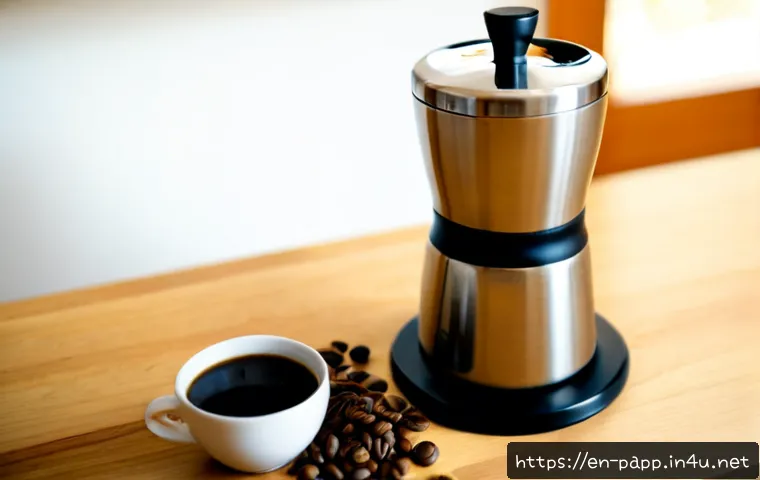
A portable coffee grinder is worth buying if you want fresher coffee, control over grind size, and a compact setup for travel or daily brewing. Choose a manual burr grinder for simple, charge-free travel; choose a rechargeable electric model when convenience matters more than battery management.
Burr quality, adjustment range, capacity, and cleaning access matter more than a product’s compact appearance alone. For espresso-style brewing, look closely at adjustment precision rather than assuming every portable grinder will perform the same way.
If you usually brew several cups at once, a small travel grinder may become inconvenient quickly. Compare the grinder with your usual brew method and routine before paying extra for premium features.
At a Glance
- Manual burr grinders suit travelers who want no charging, simple packing, and hands-on control.
- Rechargeable electric grinders can be more convenient, but charging method and battery runtime need checking.
- Match capacity, grind range, and adjustment control to your brewing method before choosing a portable model.
| Comparison Point | Manual Portable Grinder | Rechargeable Electric Grinder | Larger Home Grinder |
|---|---|---|---|
| Power source | Hand crank; no outlet or charging required | Rechargeable battery; charging method matters | Usually intended for a fixed brewing space |
| Portability | Usually easy to pack, but crank clearance matters | Compact options exist, with added battery considerations | Less practical for frequent travel |
| Grind control | Varies by burr and adjustment mechanism | Varies by burr design and model settings | May better suit frequent multi-cup brewing |
| Capacity | Best matched to one brewing session at a time | Check bean chamber size before buying | More suitable when serving several people regularly |
| Typical price tier | Lower to higher, depending on burrs and adjustment quality | Often reflects battery features, burrs, and build design | Depends on household capacity and grinding needs |
Is a Compact Grinder Worth Bringing Instead of Buying Pre-Ground Coffee?
Yes, for many travelers it is worth it when fresh grinding and brew control matter enough to justify carrying one more piece of coffee gear. A portable coffee grinder lets you adjust for different beans and brewing methods instead of relying on a pre-ground bag that may not suit your equipment.
The Quick Answer for Travelers, Commuters, and Occasional Campers
A manual burr grinder is a practical choice for flights, hotel stays, office desks, and occasional camping because it does not need charging or an electrical outlet. A rechargeable portable grinder can make sense if hand grinding feels like a chore and you have a dependable way to recharge it. For either option, choose a bean capacity that fits the number of cups you normally brew at one time.
When Pre-Ground Coffee Is the More Practical Choice
Pre-ground coffee can be simpler when luggage space is tight, you only need coffee occasionally, or you do not want to clean a grinder during a short trip. It can also be the easier option when you are brewing for several people and a compact grinder would require repeated grinding sessions. Convenience has value; a travel grinder should solve a real part of your routine rather than add work.
Freshness, Control, and the Trade-Off in Time and Luggage Space
Grinding immediately before brewing gives you more control over particle size. The trade-off is time, bag space, and cleanup. Store beans separately from the grinder on longer trips. This can reduce retained oils inside the grinder and make cleaning less complicated after travel.
Compare Portable Grinder Types Before You Spend
The main buying decision is not simply manual versus electric. It is whether the grinder’s burrs, adjustment mechanism, capacity, and power setup fit the way you actually drink coffee.
Manual Hand Grinders: Lower Cost and No Charging
Manual portable grinders typically use a hand crank. They are useful when you want a lightweight setup without depending on batteries, USB charging, or wall outlets. They also make sense for travelers who brew one cup at a time. The important compromise is effort: fine espresso-style grinding may take more work and more careful adjustment than a coarser setting.
Rechargeable Electric Grinders: Speed and Convenience With Battery Trade-Offs
A rechargeable electric grinder may be more convenient for busy mornings, shared hotel rooms, or anyone who prefers not to use a hand crank. Still, do not assume a charging port means the battery will suit every trip. Check the charging method, expected runtime information, noise considerations, and travel needs on the individual product page.
Blade Versus Burr Mechanisms and Why Consistency Matters
Burr grinders generally produce more consistent particle sizes than blade grinders. That consistency can matter when you want a more repeatable brewing result across pour-over, drip coffee, French press, or espresso-style brewing. A compact blade grinder may appear simple, but compare burr type before deciding based on size or price alone.
Comparison Table: Capacity, Weight, Grind Range, Noise, and Typical Price Tier
Do not treat any category as a guarantee. Exact weight, noise, battery life, durability, and grind consistency vary by model. Use the table above as a decision framework, then compare each model’s stated specifications and replacement-parts support.
What to Check for Your Brew Method
Your preferred brew method should set the minimum standard for grind range and adjustment precision. A grinder that works well for one method may not be the right fit for another.
Coarse Settings for French Press and Cold Brew
French press and cold brew usually call for coarser grinding. If these are your main methods, prioritize a grinder with a clear coarse range, simple cleaning access, and enough capacity for your usual batch. There is little reason to pay for extremely fine adjustment if you rarely use fine settings.
Medium Settings for Drip Coffee and Pour-Over
Drip coffee and pour-over often require medium settings. Here, repeatability is helpful because you may want to return to a preferred setting after travel or cleaning. Look at how the adjustment system works and whether it seems easy to use consistently rather than relying on broad marketing terms.
Fine Grinding Expectations for Moka Pots and Espresso-Style Brewing
Moka pot and espresso-style brewing can require finer grinding and closer adjustment control. A grinder described as espresso-capable may not meet every espresso machine’s precision requirements. If espresso is a priority, compare burr material, fine-setting range, and adjustment design before spending more.
Adjustment Systems: Stepped, Stepless, and Practical Repeatability
Some grinders use distinct adjustment steps, while others allow more open-ended changes. The better option depends on how often you switch brew methods and how precise you need to be. In practical terms, choose an adjustment system you can understand, return to, and use without guesswork when traveling.
Avoid the Common Travel-Grinder Buying Mistakes
Most disappointing purchases come from overlooking daily details rather than choosing the wrong color or the smallest product.
Choosing Capacity Based on a Single Cup When Brewing for Two
Check how many cups you normally make in one session. A grinder that suits one person may feel slow when two people are waiting for coffee. Matching capacity to your routine is more useful than choosing the smallest possible body.
Ignoring Crank Clearance, Handle Storage, and Bag Space
For manual grinders, check whether the handle stores securely and whether you have enough room to turn the crank. A narrow grinder body can still be awkward if its handle, bean container, or cleaning brush takes up extra bag space.
Assuming USB Charging Guarantees Long Battery Runtime
USB charging can be convenient, but it does not tell you how long a rechargeable portable grinder will run. Battery performance varies by model and use. Review the manufacturer’s current details, especially if you plan to travel without easy charging access.
Overlooking Cleaning Access, Retained Grounds, and Replacement Parts
Grind retention, cleaning access, burr material, and spare-parts availability affect long-term usability. A grinder that is difficult to open or clean can become frustrating on extended trips. Before buying, check whether key parts are available in your region and whether the burr area can be accessed sensibly.
Match the Grinder to Your Routine
The best portable coffee grinder is the one that removes friction from your routine without creating a new problem.
Best Priorities for Flights, Hotels, and Office Desks
For flights and hotels, prioritize compact packing, a secure handle, and no dependence on an outlet if possible. For office coffee, a manual or rechargeable model can work, but consider noise and cleanup around coworkers. A burr grinder with a usable medium range is often a sensible starting point for simple drip or pour-over setups.
What Campers and Road-Trippers Should Prioritize
Campers may value a manual burr grinder because it works without charging. Road-trippers may find a rechargeable model convenient if regular charging is available. In both cases, store beans separately, plan for grounds disposal, and make sure the capacity suits the number of people drinking coffee.
When a Compact Grinder Is Not Enough for Daily Household Use
A compact grinder may not be enough when you routinely brew several cups, switch constantly between brew styles, or want highly specific fine-grind performance. In that situation, a larger home grinder may be the more practical long-term choice, while a smaller model remains travel gear rather than your only grinder.
Selection Criteria and Comparison Summary
Before comparing portable coffee grinder models and prices, check burr type, grind range, bean capacity, adjustment mechanism, cleaning access, charging needs, and spare-parts availability. Spend more when burr quality, fine adjustment, or repairability genuinely affects your brewing routine. Save money when you brew one method, make a small amount at a time, and travel only occasionally. Compare burr material and adjustment range before paying more, then review current warranty, accessory, and replacement-part details on the relevant product page.
Final Thoughts
A portable grinder can be a useful upgrade for people who care about fresh coffee away from home. Manual models favor independence from charging, while rechargeable options favor speed and convenience. Focus on the coffee you actually brew, not just the smallest grinder available. A well-matched capacity and adjustment system will matter long after the novelty of travel coffee gear wears off.
Useful Information to Keep in Mind
Beans are best carried separately from the grinder on longer trips to reduce retained oils and simplify cleanup. Burr grinders generally offer more consistent particle sizes than blade grinders. Fine grinding can demand more hand effort and more careful adjustment than coarse brewing. Product claims, included accessories, and replacement parts should always be checked for the exact model and seller.
Important Notes
Exact grind consistency, battery life, noise, durability, warranty terms, pricing, and accessory bundles vary by model and region. Do not assume an espresso-capable label guarantees compatibility with every espresso machine. Review current product specifications and support information before making a purchase.
Frequently Asked Questions
Q1. How much should I spend on a portable coffee grinder?
A1. Spend according to the features that affect your routine. Paying more may be worthwhile when you need better burr quality, finer adjustment control, or access to replacement parts. If you brew one method occasionally, a simpler manual burr grinder may be enough.
Q2. Is a manual burr grinder better than a rechargeable portable grinder for travel?
A2. A manual burr grinder is often easier for travel when you do not want to manage charging or find an outlet. A rechargeable grinder may be better when speed and reduced hand effort matter more. Choose based on trip length, charging access, and how much coffee you prepare at once.
Q3. Can a portable grinder make coffee fine enough for espresso?
A3. Some portable grinders are marketed for espresso-style grinding, but fine grinding requires careful adjustment and may take more effort with a manual model. Espresso precision varies by grinder and machine, so compare the stated adjustment system and burr design rather than assuming all portable models will perform the same way.