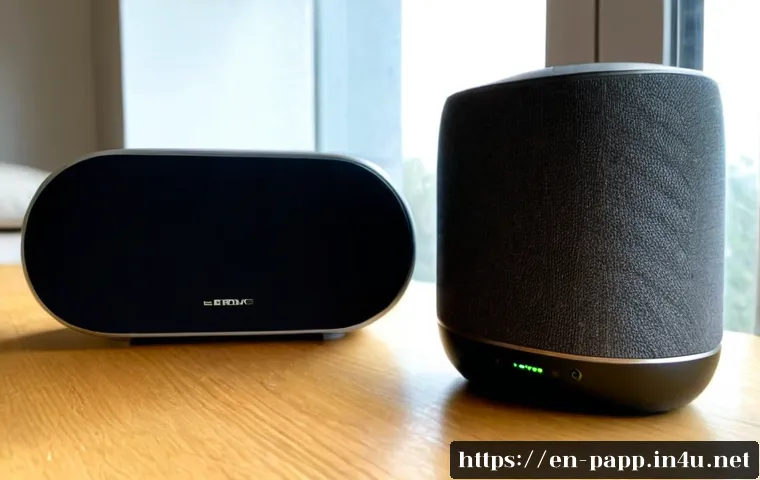
The right Bluetooth speaker depends first on where you will use it: choose a compact model for travel, a rugged model for outdoor use, or a larger portable speaker for fuller home sound.
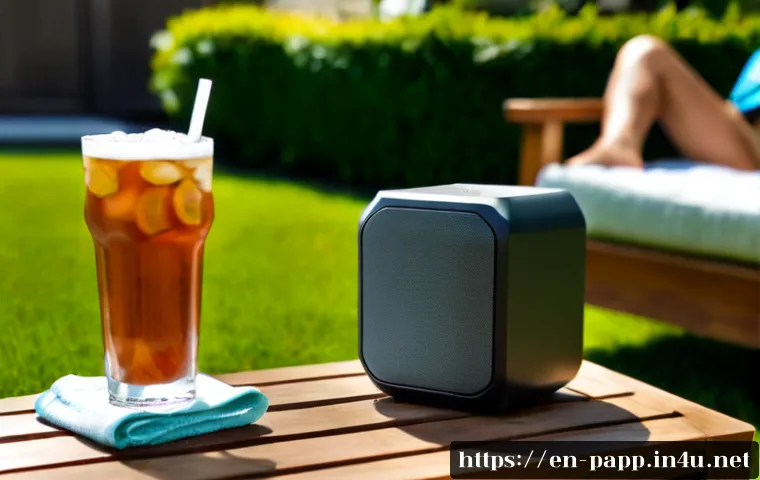
Compare enclosure size, battery claim, IP rating, pairing support, and total purchase terms rather than choosing by wattage alone. A small speaker may be easier to pack, while a larger enclosure can generally deliver fuller bass.
Outdoor shoppers should verify the complete IP rating and the manufacturer’s usage guidance before assuming a speaker is safe near water. Premium features such as app EQ, multipoint pairing, and stereo pairing can be useful, but only when they fit your listening habits.
Current price, warranty coverage, compatible accessories, and the retailer’s return policy can make one option a better value than another.
At a Glance
- Travel: prioritize low weight, compact dimensions, practical charging, and a battery claim that fits your normal listening time.
- Outdoor use: check the full IP rating, controls, portability, and the stated water and dust protection guidance.
- Home listening: a larger enclosure, stereo pairing support, and app-based EQ may matter more than maximum portability.
| Comparison Factor | Compact Travel Speaker | Rugged Outdoor Speaker | Home-Focused Portable Speaker |
|---|---|---|---|
| Typical price position | Often lower to mid-priced | Often mid-priced, depending on protection and battery features | Often mid-priced to premium-priced |
| Size priority | Small enough for a bag or carry-on | Portable, with durability considered | Larger enclosure is usually acceptable |
| IP rating | Check if travel may include wet conditions | Important; verify the complete rating and guidance | May be less important for indoor-only use |
| Battery claim | Useful for flights, hotel rooms, and day trips | Useful for patios, camping, and longer sessions | Useful, but sound and placement may matter more |
| Pairing options | Nice to have, but not always essential | Useful for wider outdoor coverage | Worth checking for stereo listening |
| Best use | Commuting, hotel rooms, personal listening | Patios, camping, poolside areas, travel | Living rooms, gatherings, backyard listening |
The Fastest Way to Choose the Right Bluetooth Speaker
Choose portability, sound depth, or weather protection first
Start with one priority. If the speaker will spend most of its time in a backpack, portability should lead the decision. If it will sit in a living room or serve a small gathering, a larger portable speaker may be a better fit because larger enclosures can generally produce fuller bass. If it will be used outdoors, focus on the stated dust and water resistance, not just a vague “waterproof” label.
The three questions to answer before comparing models
First, where will you listen most often: indoors, while traveling, or outside? Second, how much weight and size are you willing to carry? Third, which features will you actually use: stereo pairing, multipoint connection, speakerphone calling, or app EQ controls? These answers reduce the chance of paying for premium audio features that remain unused.
Why the loudest or most expensive option is not always the best value
A higher price can reflect extra features, materials, protection, or brand positioning, but it does not automatically make a speaker the right purchase. Think in terms of cost per use. A reasonably priced speaker that is easy to carry, simple to charge, and used regularly may offer more real value than a larger premium model left at home. Also include the practical cost of a case, charging cable, replacement accessories, and the ability to return the product if it does not suit your space.
Compare the Features That Change Real-World Value
Sound quality, speaker size, and bass expectations
Do not judge sound from watts alone. Output capability is only one part of the picture; enclosure size, tuning, placement, and listening volume also affect the experience. Very compact speakers can be convenient, but a larger enclosure can generally provide fuller bass. For home use, consider whether you prefer a single larger speaker or two compatible units for stereo listening.
Battery life versus actual listening habits
Battery claims are commonly measured under specific playback conditions. Actual runtime can change with volume level and enabled features. If you listen loudly outdoors or use extra functions frequently, treat the published battery figure as a comparison point rather than a personal guarantee. Check the charging connection, charging requirements, and whether the included accessories match your existing setup.
IP ratings for kitchen, patio, pool, and travel use
An IP rating indicates a stated level of dust and water resistance, but the exact protection depends on the complete rating. A speaker suitable for light splashes may not be intended for submersion. Before using any model by a pool, beach, shower, or wet travel location, read its current official specifications and usage guidance. Sand, saltwater, and accidental drops may involve considerations beyond a simple water-resistance claim.
Bluetooth range, multipoint, voice calling, and app controls
Connection features vary by model. Some speakers offer multipoint connectivity, some include a speakerphone function, and some provide app-based EQ controls. Codec support also differs. If you switch between a phone and laptop, multipoint may be more valuable than a small difference in claimed output. If you mainly play playlists from one phone, simple controls and reliable connection may be enough.
Price ranges: budget, mid-range, and premium portable options
Instead of setting a fixed USD budget from a generic guide, compare current retailer listings in the category you need. Lower-priced options may cover basic portable listening. Mid-range models may add stronger build quality, more features, or greater flexibility. Premium portable speakers may emphasize larger sound, app features, pairing systems, or design. Compare the current product price with warranty coverage and return terms before deciding that a higher tier is worthwhile.
Avoid the Most Common Buying Mistakes
Treating wattage as a complete sound-quality metric
Watts do not describe the entire listening experience. They do not tell you how a speaker is tuned, how it handles bass, or how it will sound in your room or outdoors. Use wattage only as one specification among several, alongside enclosure size, feature set, and independent listening information where available.
Confusing splash resistance with waterproof use
Never assume that “water-resistant” means suitable for full submersion. The full IP rating and official usage instructions matter. This is especially important for poolside, beach, shower, and boating use, where the risk and type of water exposure can differ.
Forgetting charger type, charging time, and replacement costs
A speaker can be frustrating if its charging method does not fit your travel kit or household setup. Before buying, check the charging connection, included cable details, and available replacement accessories. If you travel often, a compatible charger can be more useful than an extra feature you rarely touch.
Buying for stereo sound without checking pairing compatibility
Stereo pairing may require two compatible speakers, and it may not work across every model in a brand’s lineup. Do not assume that two speakers with the same brand name will pair together. Confirm the specific model’s stereo or party-mode compatibility before purchasing a second unit.
Match the Speaker to Where You Will Use It
Small speakers for commuting, hotel rooms, and carry-on travel
For travel, choose a speaker that is easy to pack and comfortable to carry. Battery claims, charging convenience, and simple Bluetooth connection often matter more than deep bass. A compact model can be enough for hotel rooms, personal listening, and casual use without taking up valuable luggage space.
Rugged options for camping, patios, and poolside listening
For outdoor listening, prioritize the full IP rating, secure controls, and a size you will realistically carry. A rugged speaker may be a sensible choice for patios and camping, but verify the manufacturer’s specific protection guidance before using it near a pool or beach.

Larger portable speakers for home gatherings and backyard use
A larger portable speaker can make more sense when it stays mostly at home. It may provide a fuller presentation than a very compact design, especially in larger rooms or outdoor spaces. Consider weight, placement, battery needs, and whether stereo pairing would improve the way you listen.
When a Wi-Fi speaker or compact sound system may be a better purchase
If your speaker will remain in one room and you want a more permanent listening setup, a Wi-Fi speaker or compact sound system may be worth comparing. Bluetooth portability is valuable, but it is not always the best match for stationary home listening. Consider how often you truly need to move the speaker before paying for portability.
How to Test a Speaker After Delivery
Check connection stability and volume at your normal listening level
Use the speaker where you expect to use it most. Connect your usual phone, tablet, or laptop, then listen at the volume level you normally choose. This gives a more useful impression than a quick test at an unusually low or high volume.
Test controls, charging, microphone quality, and app features
Try the physical controls, charging process, speakerphone function if included, multipoint connection if advertised, and app EQ controls if available. Make sure the experience is simple enough for everyday use. Features that are difficult to access may not add practical value.
Use the return period to assess weight, portability, and sound in your own space
A retailer return window can affect the real cost of trying a speaker. During that period, assess whether the weight suits your bag, whether the sound works in your room or patio, and whether the controls fit your routine. Keep packaging and review the retailer’s return conditions before opening or using the product.
Selection Criteria and Comparison Summary
A practical priority matrix: sound, portability, protection, and budget
Choose the category that solves your main need first. Prioritize sound depth for home listening, size and charging convenience for travel, and verified IP protection for outdoor use. Then compare features that support that priority rather than treating every specification as equally important.
What to compare before paying more for premium features
Before moving to a premium portable speaker, check whether you need stereo pairing, app EQ, multipoint connectivity, speakerphone capability, or a larger enclosure. Compare those benefits against the current price, included accessories, manufacturer warranty, and retailer return policy. Premium is worthwhile only when the added feature solves a real listening problem.
Final checklist: price, warranty, return policy, and compatible accessories
Check these points before you pay:
- Does the size fit your bag, shelf, patio, or travel plan?
- Does the full IP rating match the environment you have in mind?
- Are stereo pairing, party mode, and multipoint confirmed for that exact model?
- Does the charging connection work with your existing setup?
- What are the current price, manufacturer warranty, and retailer return terms?
Compare current price, warranty, return terms, and compatible accessories on the relevant product and retailer pages before choosing.
Closing Thoughts
The best Bluetooth speaker is not necessarily the loudest, smallest, or most expensive one. It is the model that fits your usual location, listening style, and willingness to carry it. Use the specifications to narrow your choices, then confirm current product details before buying. A short real-world test during the return period can be more helpful than chasing a single headline specification.
Useful Things to Know
1. Battery claims can change with volume and enabled features.
2. A full IP rating matters more than a broad “waterproof” description.
3. Stereo pairing often requires two specific compatible speakers.
4. Warranty and return policies can affect the total value of a purchase.
Important Notes
Exact sound quality, maximum volume, battery runtime, durability, current USD pricing, availability, discounts, and warranty terms vary by model, retailer, and region. Confirm official specifications and current retailer conditions for the exact speaker you are considering. Do not assume that a speaker supports multipoint, stereo pairing, party mode, or submersion-safe use without checking its documentation.
Frequently Asked Questions
Q1. How much should I spend on a Bluetooth speaker for good sound?
A1. There is no single spending level that guarantees good sound for every listener. Start with your use case, then compare current prices against enclosure size, portability, IP rating, battery claim, features, warranty coverage, and return terms. A lower-priced speaker that fits your needs can offer better value than a premium option with unused features.
Q2. Is a higher wattage Bluetooth speaker always louder or better?
A2. No. Wattage is not a complete measure of loudness or sound quality. Enclosure size, tuning, placement, and the speaker’s overall design also matter. Compare wattage alongside other specifications and, when possible, test the speaker at your normal listening level.
Q3. Which Bluetooth speaker features matter most for outdoor and poolside use?
A3. Check the complete IP rating, official water and dust protection guidance, battery claim, portability, controls, and charging needs. Do not assume splash resistance means a speaker is safe for submersion. For poolside or beach use, verify the exact model’s intended conditions before taking it near water.