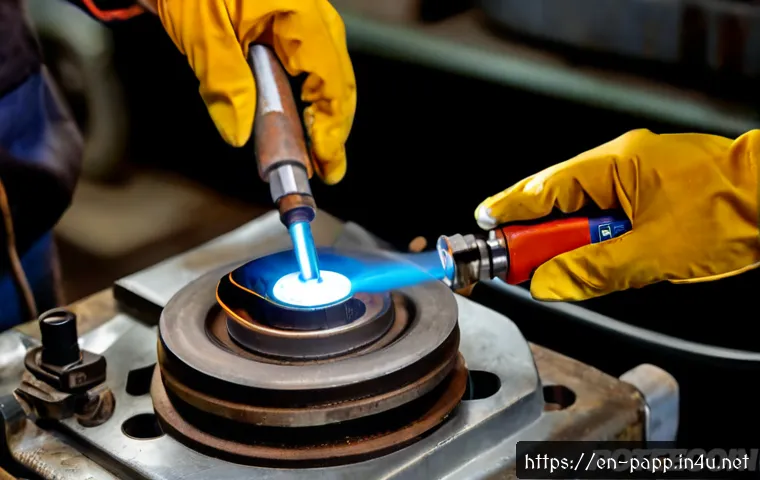
A portable induction heater is worth considering when seized ferrous fasteners are a regular source of delay and a torch would put nearby wiring, fuel lines, seals, plastics, or coatings at risk.
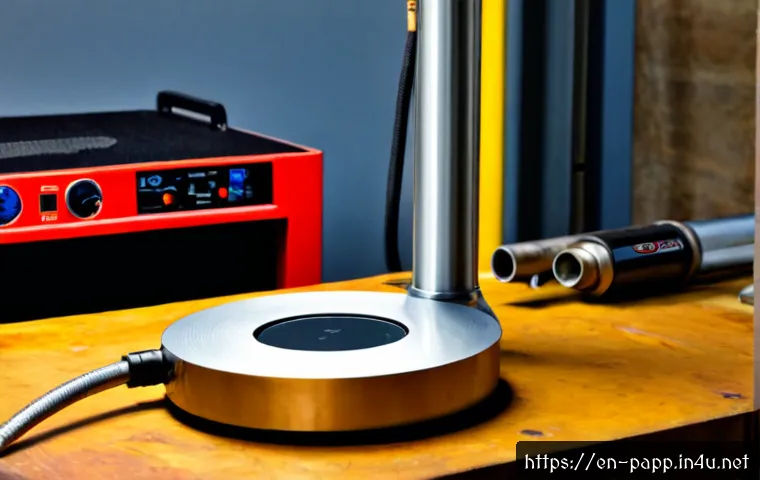
It is most useful for targeted heating around nuts, bolts, bearings, exhaust hardware, and similar conductive metal parts where coil access is practical.
For occasional repair work, penetrant, manual removal methods, or replacing the damaged part may be a more sensible purchase decision. For technicians and maintenance teams, the value often comes from better heat control and less nearby flame exposure rather than headline power alone.
Coil compatibility, working clearance, electrical supply, and replacement accessory support should be checked before comparing tool prices. A portable unit still creates hot-metal, electrical, and fire risks, so it is not a no-preparation alternative to a torch.
At a Glance
- Best fit: targeted heating of seized metal fasteners, bearings, and repair components when a flame could threaten nearby materials.
- Buying priority: confirm coil access, accessory options, electrical requirements, and duty cycle before focusing on output claims.
- Safety reality: induction heating reduces direct flame exposure, but the workpiece can still become hot and surrounding components still need protection.
| Decision Factor | Portable Induction Heater | Propane or MAPP Torch | Penetrant or Part Replacement |
|---|---|---|---|
| Heat delivery | Targets conductive metal through an electromagnetic field | Uses an open flame around the work area | May avoid heat altogether |
| Access requirement | Needs a coil that can reach and fit around the target | Can reach some areas without wrapping a coil | Depends on fastener condition and component access |
| Nearby-component concern | Less direct flame exposure, but hot-metal and electrical risks remain | Requires careful control around fuel, wiring, plastics, seals, and coatings | Can be practical where heating is unsuitable |
| Typical buyer fit | Frequent automotive, maintenance, fleet, or restoration work | Users who already have safe torch practices and suitable work areas | Occasional repairs or jobs with restricted clearance |
Is a Flame-Free Heating Tool the Right Answer for Your Repair Job?
Quick answer: the best use cases for targeted metal heating
A portable induction heater makes the strongest case when a seized nut, bolt, bearing, or other metal component must be heated without putting an open flame directly into the area. This can be especially relevant in automotive repair where hoses, wiring, painted panels, plastic trim, seals, or fuel-related parts may be nearby. Ferrous metals generally respond well to induction heating, although actual results depend on the material, component size, coil shape, tool output, and coil positioning.
The practical question is not simply whether a tool can heat metal. It is whether the correct coil can reach the target part while allowing the operator to protect surrounding components. A powerful unit that cannot fit around the fastener is not necessarily a useful workshop tool.
Jobs where a torch, penetrant, or part replacement may be more practical
Induction heating is not automatically the best answer for every corroded fastener. A torch may offer access in some open work areas where flame safety can be managed appropriately. Penetrant and conventional removal methods may be sufficient for an occasional stubborn bolt. If a part is already damaged, inaccessible, or unsuitable for heating, replacement may be the cleaner repair path.
Results with non-ferrous metals can vary by the heater design and accessory setup. Do not assume that every alloy, vehicle component, or workspace is suitable. Check the tool manufacturer’s guidance and the repair information for the specific job.
What “portable” means in a workshop setting
Portable generally means the heater can be moved between bays, brought to the vehicle, or used where a fixed heating station would be inconvenient. It does not mean that setup can be ignored. Cable reach, electrical supply, coil lead routing, ventilation, and a clear work area remain part of the job. For mobile repair work, the available power source and safe placement of the unit deserve the same attention as the heater itself.
Compare Induction Heating, Torches, and Other Seized-Fastener Methods
Heat control, access, speed, and nearby-component risk
Induction heating directs energy into conductive metal at the coil location, which can make it useful for focused work. A torch heats with flame and requires more attention to where that flame and heat spread may travel. Neither approach eliminates the need to inspect the area first. The workpiece may remain hot after heating, and nearby parts can still be affected by conducted heat.
Access is the deciding limitation for many jobs. A rigid coil may suit a reachable nut or bolt, while a flexible coil can be useful where the shape or position is less straightforward. Specialty attachments may help with certain parts, but compatibility and intended use should be verified before purchase.
Upfront tool cost versus recurring fuel and damage-prevention costs
A portable induction heater has an upfront tool price, and the total ownership cost may also include extra coils, replacement accessories, electrical setup, protective equipment, and service support. A torch may involve recurring fuel purchases and its own safety equipment. The cost comparison should also include the operational value of avoiding delays or reducing the chance of heat damage to nearby components.
For a buyer comparing a budget unit with a professional-grade heating tool, the meaningful comparison is price to actual job frequency. A lower-priced tool may be appropriate for limited use, while frequent repair work can make accessory availability, warranty terms, and service support more important. Current price, included coils, and warranty coverage should be checked directly with the seller or manufacturer.
Which method fits home garages, mobile repair, and professional bays
Home garage users may benefit most when they repeatedly work on corroded vehicles or restoration projects and have a suitable electrical setup. Mobile repair users need to confirm practical power access and safe work conditions before relying on any portable heating tool. Professional bays, fleet maintenance operations, agricultural repair teams, and fabrication environments may place greater value on repeatable access to the correct coils and dependable support.
What to Check Before Buying a Portable Unit
Power rating, duty cycle, cable reach, and electrical supply
Tool output matters, but it is only one part of heating performance. The part material, size, coil shape, and position all affect the result. Review the stated power rating, duty cycle, cable reach, and electrical supply requirements as a group. Do not assume a listed output tells you the heating time, maximum temperature, or suitable part size for your particular fastener.
Coil types: rigid coils, flexible coils, and specialty attachments
Coils determine whether the tool can work where you need it. Rigid coils can be practical for regularly shaped, accessible targets. Flexible coils may help when the target has an awkward shape or limited approach angle. Specialty attachments can expand the range of jobs, but they should be compatible with the chosen unit and available as replacement parts.
Before purchasing, list the common repair areas in your work: exhaust hardware, suspension fasteners, bearings, brackets, or equipment fasteners. Then compare those spaces with the coil shapes offered in the package and separately.
Clearance around bolts, bearings, exhaust hardware, and suspension parts
Clearance is often more important than a headline specification. Check whether a coil can be placed around the target without pressing against wiring, hoses, painted surfaces, seals, or nearby metal that should not be heated. Consider the path needed to place and remove the coil, not just the final position around the fastener.
Included accessories, replacement coils, warranty, and service support
Review what is included with the unit, then look beyond the box. Check whether replacement coils and compatible accessories are available, how warranty terms are presented, and whether service support is accessible in your area. These points can matter more over time than a small difference in initial tool price.
Safe Working Procedure and Common Mistakes to Avoid
Inspect the area for fuel, wiring, seals, plastics, and painted surfaces
Before heating, inspect the surrounding area for fuel lines, wiring, heat-sensitive plastics, seals, coatings, and painted surfaces. Remove or protect vulnerable materials where appropriate. Also follow manufacturer restrictions related to implanted medical devices and sensitive electronics.

Position the coil and heat only as long as needed
Position the coil for the intended metal component and use the tool according to its instructions. Heat only as long as needed for the repair task. Avoid treating induction heating as risk-free simply because it has no direct flame contact.
Use eye protection, gloves, ventilation, and controlled cooling practices
Use suitable eye protection and gloves, maintain ventilation, and control the work area. Treat heated components as hot until they have cooled appropriately. The correct cooling approach can depend on the component and repair procedure, so follow the relevant equipment guidance rather than improvising.
Mistakes that can overheat components or damage surrounding parts
Common mistakes include choosing a coil that does not properly fit the target, heating near unprotected sensitive materials, overlooking heat transfer into adjacent parts, and assuming every metal component responds the same way. Another mistake is purchasing a heater before confirming electrical requirements, coil availability, and the clearance on the jobs you perform most often.
Match the Tool to Your Type of Work
Occasional DIY maintenance and restoration projects
For occasional DIY work, an induction heater is easier to justify when seized hardware is a repeated problem and the user can identify several realistic jobs for it. If stubborn fasteners are rare, conventional removal methods or replacement parts may represent better value. Focus on a manageable accessory set and clear operating instructions rather than buying based on maximum advertised output.
Automotive technicians handling corroded fasteners every week
For automotive technicians, a portable induction heater can be a practical productivity tool when corroded fasteners regularly slow repairs. Prioritize coil selection, cable reach, duty cycle, replacement accessories, and service support. The right unit should suit the vehicles and repair locations seen in the shop, not just look capable in a general tool comparison.
Fleet, agricultural, fabrication, and industrial maintenance applications
Maintenance teams often encounter larger equipment, repeated corrosion exposure, and varied access conditions. Start by identifying the most common metal parts and the clearance around them. Then evaluate whether a portable induction heater, a torch-based process, or another removal method fits site rules, electrical access, and the actual repair workflow.
Selection Criteria and Comparison Summary
Use this shortlist before choosing a portable induction heater:
- Confirm that the tool can heat the metal type and part shapes found in your normal work.
- Compare rigid, flexible, and specialty coil options against the clearance around your target fasteners.
- Check duty cycle, cable reach, and electrical supply requirements for the intended work area.
- Compare total ownership cost: tool price, included accessories, replacement coils, protective equipment, and support.
- Choose a professional-grade model only when frequent use, reduced delays, or lower collateral-damage risk supports the added cost.
For a final purchase comparison, check the product page for included coils, compatible accessories, electrical requirements, warranty terms, and current service availability.
Final Thoughts
A portable induction heater can be a useful alternative to torch heating when the job calls for focused heat on a conductive metal part. Its strongest value is usually found in repeated repair work where seized fasteners and nearby heat-sensitive components are common. Coil access should guide the buying decision as much as tool output. A careful setup remains essential because hot metal, electrical hazards, and fire risk do not disappear.
Useful Information to Keep in Mind
1. Ferrous metals generally respond well to induction heating.
2. Heating performance changes with the material, part size, coil shape, output, and coil position.
3. A flexible coil may improve access, but it does not make every location safe or suitable for heating.
4. Manufacturer instructions may contain important restrictions for implanted medical devices and sensitive electronics.
Important Considerations
Exact heating time, maximum temperature, suitable part size, retail price, included accessories, warranty coverage, and service availability vary by model and must be verified before purchase. Suitability also depends on the specific vehicle component, alloy, workspace, and local safety or electrical requirements. For commercial use, confirm workplace rules and insurance requirements that apply to your operation.
Frequently Asked Questions
Q1. Are portable induction heaters safer than propane torches for seized bolts?
A1. They can reduce nearby direct flame exposure because they heat conductive metal through an electromagnetic field. However, hot-metal, electrical, and fire risks remain. Inspect and protect nearby wiring, fuel lines, plastics, seals, and coatings before starting.
Q2. How much should I expect to spend on a portable induction heater and extra coils?
A2. Pricing varies by tool output, included coils, accessory options, warranty terms, and service support. Compare the current unit price with the cost and availability of replacement coils, protective equipment, and any electrical setup needed for your workspace.
Q3. What type of portable induction heater is best for automotive repair work?
A3. The best choice is the one with coils that can reach the fasteners and components you service most often. For automotive work, compare coil types, clearance, cable reach, duty cycle, electrical requirements, and support availability before choosing based on output alone.